
Do you often feel restless, agitated, or overwhelmed with worries and thoughts of what might go wrong? Anxiety can interfere with your ability to succeed at work or in school, sabotage family life, challenge romantic relationships, and make for difficult interpersonal interactions.
Key points
- Different people experience anxiety in different ways
- Anxiety tends to respond well to treatment
- You can learn to recognize the symptoms of anxiety
- Choose an effective treatment path for anxiety
Quick navigation
Understanding anxiety: Why it feels overwhelming and how to find relief
Do you often feel tense, trapped in overthinking, or worried about how others perceive you? Do intrusive thoughts disrupt your day, or does a persistent sense of unease follow you without a clear cause? These experiences may indicate an anxiety disorder. The good news is that anxiety is common, manageable, and highly treatable.
Anxiety is more common than you think
Anxiety disorders affect more than 20 percent of adults in the United States each year, and rates have been steadily increasing for over a decade. The COVID-19 pandemic heightened stress and uncertainty, but anxiety existed long before it. Isolation, unpredictability, overstimulation, and disconnection from community all contribute to growing levels of anxiety.
Modern life can intensify anxious feelings. Long work hours, constant digital exposure, and pressure to always perform leave little room for rest or connection. Many people develop patterns of avoidance, rumination, or unhealthy coping strategies such as substance use. While anxiety may feel like the new normal, it does not have to define your life.
Why anxiety persists
Anxiety is a natural response to danger. It is designed to keep you safe by helping you react quickly to threats. However, when this system becomes overactive, it can remain engaged even when there is no immediate danger. Over time, the nervous system can remain in a state of heightened alert, causing tension, irritability, and emotional fatigue.
Without proper support, anxiety can become a recurring cycle. Early intervention and personalized care can prevent these patterns from becoming entrenched and help you regain control.
Recognizing anxiety
Anxiety affects people in different ways. Common forms include:
Generalized Anxiety Disorder (GAD): Persistent worry, restlessness, irritability, fatigue, muscle tension, trouble sleeping, and difficulty concentrating
Social Anxiety: Fear of judgment or embarrassment in social settings, which can lead to avoiding work, school, or social events
Panic Attacks: Sudden and intense episodes of fear accompanied by symptoms such as rapid heartbeat, dizziness, sweating, or shortness of breath
Specific Phobias: Intense fear of a particular object or situation, such as flying, heights, or enclosed spaces
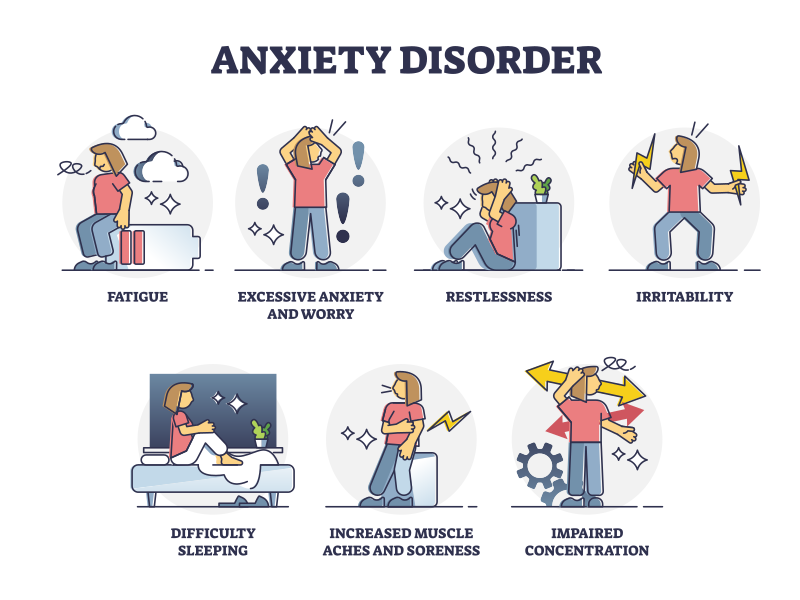
What causes anxiety?
There is no single cause of anxiety. Genetics, brain chemistry, medical conditions, and life experiences all play a role. Risk factors include a family history of anxiety or depression, trauma, chronic stress, and health challenges. Lifestyle factors such as disrupted sleep, high caffeine intake, or limited self-care can also worsen symptoms.
Evidence-based treatments that work
Anxiety is highly responsive to therapy. Dr. Bregman provides individualized care using proven methods to help you understand your anxiety, calm your nervous system, and develop skills for lasting relief.
Treatment options may include:
Cognitive Behavioral Therapy (CBT): Learn to recognize and adjust anxious thought patterns, develop emotional regulation, and regain control
Exposure Therapy: Gradually confront feared situations or triggers in a safe, guided way to reduce avoidance and increase confidence
Acceptance and Commitment Therapy (ACT): Use mindfulness, values-based living, and emotional acceptance to lessen anxiety’s impact
Medication: When appropriate, medication can help stabilize symptoms and enhance therapy progress, coordinated with your prescribing provider
Lifestyle strategies: Sleep, nutrition, movement, and stress management may be integrated into a holistic approach to recovery
You do not have to manage anxiety alone
If anxiety interferes with your work, relationships, or daily life, support is available. Therapy can help you move from constant worry into a calmer, more balanced, and connected way of living. Whether you have struggled for years or recently noticed symptoms, you can learn strategies to relieve anxiety and build long-term resilience.
Take the first step
Dr. Ethan Bregman offers warm, personalized care for clients facing anxiety, panic, and emotional overwhelm. Together, you can make sense of your symptoms, find stability, and reclaim peace of mind. You deserve to feel better. Contact WCCSP today to schedule an appointment and begin your journey toward meaningful change.
Suggested Reading
Anxiety Disorder. National Institute of Mental Health. https://www.nimh.nih.gov/health/statistics/any-anxiety-disorder
Henning, M., Subic-Wrana, C., Wiltink, J., & Beutel, M. (2020). Anxiety Disorders in Patients With Somatic Diseases. Psychosomatic Medicine.
Nelson, H., Cantor, A., Pappas, M., & Weeks, C. (2020). Screening for Anxiety in Adolescent and Adult Women. Annals of Internal Medicine.
What’s the difference between stress and anxiety? American Psychological Association. https://www.apa.org/topics/stress/anxiety-difference